you are here:
In New Zealand the word ANZAC (Australian and New Zealand Army Corps) has a meaning of Australian-New Zealand kinship and in both Australia and New Zealand, Anzac Day, on 25 April, is the main day of remembrance for the fallen in all wars.
25 April is the anniversary of the landing of the Australian and New Zealand Army Corps at Gallipoli in 1915. Annual services remembering the dead of that campaign began as early as 1916 and continue today.
The observance of Anzac Day as a national day of remembrance began with the first anniversary of the landing in 1916. Since that time Anzac Day services have expanded to include all subsequent wars. New Zealand services are mainly in honour of those who died, while Australian services focus more on all soldiers that served.
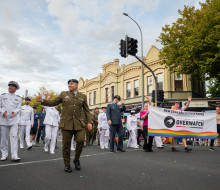
Commemorative services begin before dawn with a march by returned and service personnel to local war memorials where they are joined by other members of the community for a wreath-laying service. Services continue later in the morning and in New Zealand shops are not permitted to open until the afternoon. RSA clubrooms are popular gathering places for old soldiers to meet, drink and remember their service and their mates.
Remembering ANZACs in New Zealand
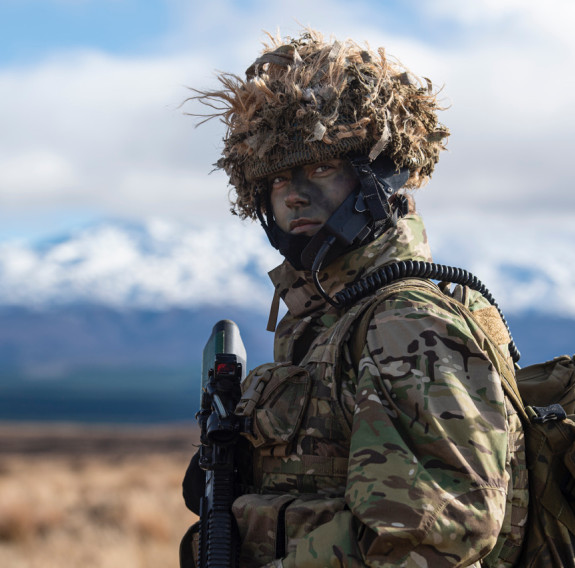
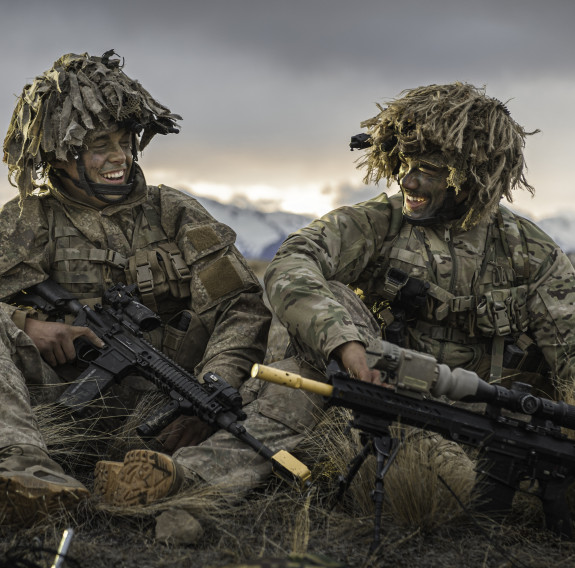
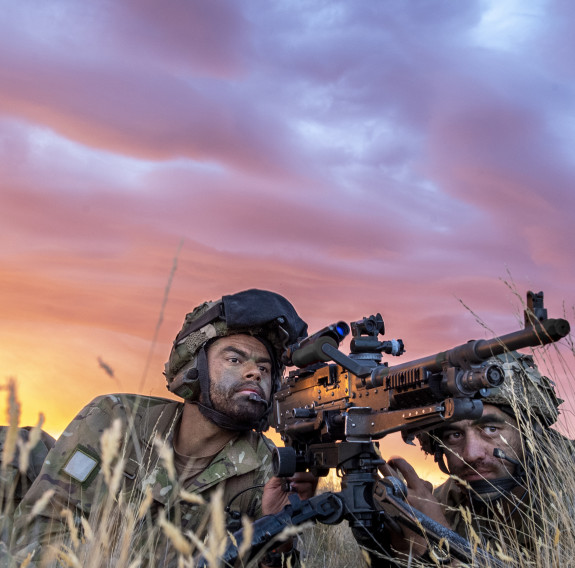
New Zealand Defence Force personnel will be involved in a wide range of Anzac Day activities on 25 April including dawn and civic ceremonies around the country.
A national wreath laying ceremony at the National War Memorial in Wellington will be attended by senior Defence personnel. A 12 hour, dawn to dusk vigil will be held at the Tomb of the Unknown Warrior. To find out more about Anzac Day services contact your local council or your local branch of the RSA.

Remembering ANZACs Overseas
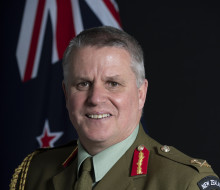
The official New Zealand contingent travelling to Gallipoli includes the Chief of Defence Force, Lieutenant General Jerry Mateparae, New Zealand Defence Force (NZDF) personnel, veterans, students, and representatives from the Returned and Services Association, Ministry of Culture and Heritage and Veterans Affairs New Zealand.
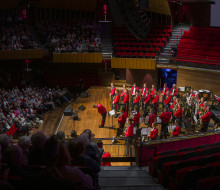
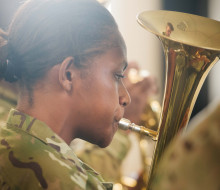
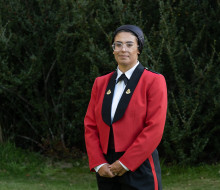
The Defence Force group will include a ceremonial Guard of Honour, a Maori Cultural Group and a tri-Service band.
The Anzac Day ceremonies in Gallipoli begin on Saturday 24 April with the Turkish International Service and conclude with the New Zealand Service at Chunuk Bair on 25 April. The services will be attended by the Prime Minister John Key, Lieutenant General Mateparae, as well as dignitaries from Australia and Turkey.
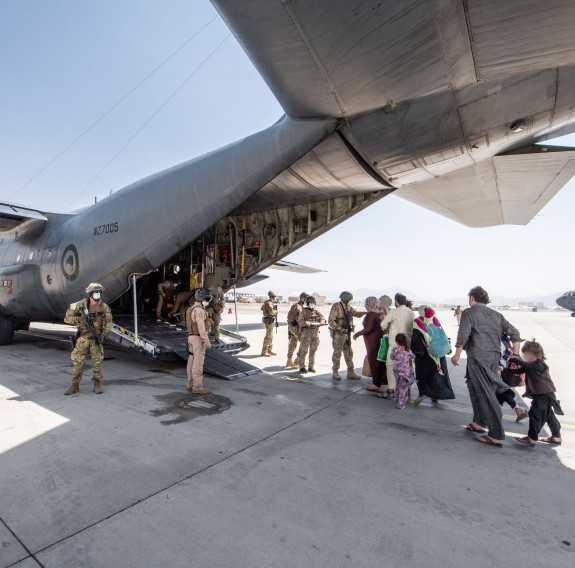
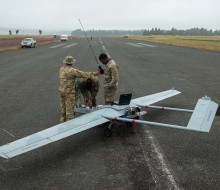
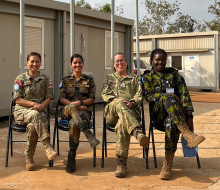
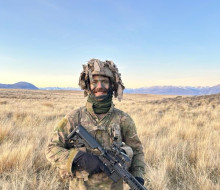
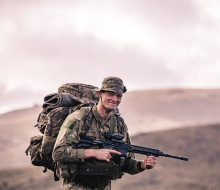
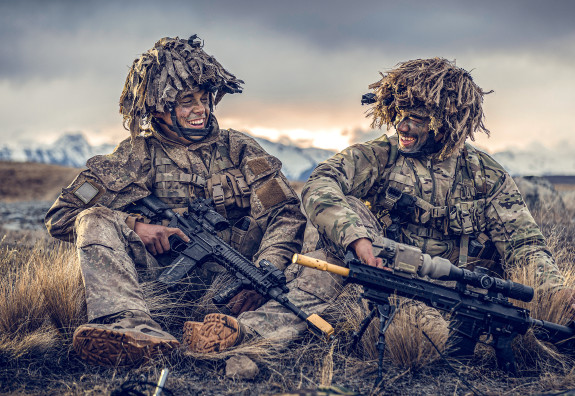
More than 600 New Zealand Defence personnel will be serving overseas on Anzac Day, in places such as Timor-Leste, the Solomon Islands, Afghanistan, and Lebanon. New Zealand’s joint efforts overseas; not only with Australians, but with many other nations. Deployed New Zealanders and Defence Attaches will attend special commemorations on the day.
Send a Message to NZDF Personnel Overseas
Over 400 Kiwi troops will be working overseas this Anzac Day. You can post a general message or a message to an individual service person. Messages will be delivered to the overseas missions on 26 April.
Post your message here at our Contact form
Significance of the Poppy
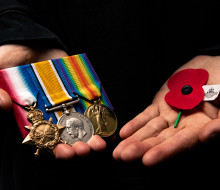
Red poppies made of light cloth or paper are popularly worn on and around Anzac Day as a mark of respect to those who died in the course of service to their country. The poppy has its origins in the early twentieth century, when red or Flanders poppies bloomed over the graves of soldiers in France and Belgium. The poppy is now the undisputed symbol of remembrance, although its design has undergone several changes over the decades
The Flanders Poppy
Red paper poppies are popularly worn on and around Anzac Day as a mark of respect to those who died in the course of service to their country.
The use of the red Flanders Poppy as a symbol of remembrance derives from the fact that the poppy was the first plant to re-emerge from the churned up soil of soldiers’ graves during the First World War. West Flanders is the area of Belgium where the Battles of Ypres took place.
It was a poem by Lieutenant Colonel John McCrae, a Canadian medical officer, which began the process by which the Flanders Poppy became immortalised worldwide as the symbol of remembrance:

In Flanders fields the poppies blow
Between the crosses, row on row,
That mark our place; and in the sky
The larks, still bravely singing, fly
Scarce heard amid the guns below.
We are the Dead. Short days ago
We lived, felt dawn, saw sunset glow,
Loved and were loved, and now we lie
In Flanders fields.
Take up our quarrel with the foe:
To you from failing hands we throw
The torch; be yours to hold it high.
If ye break faith with us who die
We shall not sleep, though
poppies grow
In Flanders fields
The sounds of Anzac Day
Every Anzac Day ceremony involves the playing of Reveille and the Last Post and the reciting of the Ode.
The New Zealand Army Band has made recordings of each of these which are able to be downloaded from our Anzac Day sounds.
Right click on these links and choose "...save target as..." to download the files to your computer.
Helpful Websites
There are several excellent websites that bring together helpful resources for students and interested persons. We recommend:
ANZAC: A Guide to Anzac Day (Ministry for Culture and Heritage)
www.anzac.govt.nz
Auckland War Memorial Museum's Cenotaph Database
www.aucklandmuseum.com
Visit Gallipoli (Australian Department of Veteran Affairs)
www.anzacsite.gov.au
Returned Services Association
www.rsa.org.nz/remem/ANZAC_2008.htm
This page was last reviewed onĀ 14 April 2010 and is current.