you are here:
The Role
Intelligence Operators in the New Zealand Army fulfil an important role. They gather and processes information to assist commanders in decision making and without this function the Army can't operate. Intelligence staff predict what the enemy is going to do, while safeguarding our secrets and preventing the enemy from being able to predict what we are going to do.
Your job will be to record, collate and process information from a variety of sources, following the 'Intelligence Cycle': Direction, Collection, Processing and Dissemination. You will need to be analytical and be able to operate under stressful conditions. You will be expected to work near the front line in field conditions. From early on in your career you will be briefing military commanders and what you say will influence their decisions. You'll have the chance to develop new skills and meet new challenges as your career progresses. If you think you have what it takes, you will need to apply online as for all other Army trades, attend an assessment day for fitness and aptitude, an Interview and a psychometric testing session to be considered for the role. The next intake for Intelligence Operators is early in 2011.
The core disciplines within the Intelligence function are Combat Intelligence and Security.
Combat Intelligence
All information gathered by the Army, whether it be by Special Forces or Infantry patrols, chance sightings by a signals detachment or a technical report from an Engineer patrol, is useless until you have analysed and interpreted the significant intelligence it contains.
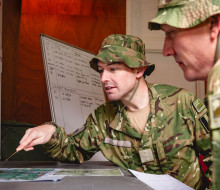
Combat Intelligence involves the core skills of processing and analysing information. One important example of this is the Intelligence Preparation of the Battlefield (IPB). Used correctly, IPB will answer vital questions such as where, when, how and why an enemy is likely to attack. IPB often provides a graphic representation of an area, illustrating crucial details and giving an insight into likely enemy courses of action.
Security
Security involves the identification of and protection against enemy intelligence operations such as espionage, sabotage, subversion or terrorism.
Specialist skills
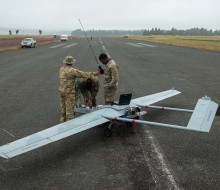
Supporting the core disciplines of Combat Intelligence and Security are three specialist areas that employ specific skills and equipment. These are Human Intelligence, Electronic Warfare and Imagery Intelligence.
Selection
Intelligence Operators are recruited externally (direct entry) similarly to all other soldier trades, with additional psychometric testing. No prior military experience is required. You will be assessed for teamwork and interpersonal communication. The assessment is designed to identify individuals who have the potential to work effectively in a team environment under arduous conditions for long periods of time. If you are selected you will be offered a place in the NZ Army as a trainee Intelligence Operator, starting with the 16 week All-Arms Recruit Course.
All Arms Recruit Course
Initially, you will attend 16 weeks of recruit training in Waiouru where you will adapt from civilian to Army life and learn to be a soldier. At the completion of recruit training you will then attend a further 4-week course which is held in Trentham Military Camp where you will extend your military knowledge and skills.
RNZALR Corps Training
A four-week course held at Trade Training School (Trentham) alongside the trainees of the Royal NZ Army Logistics Regiment, where you will be introduced to further military skills. These skills include training in Operational Concepts as well as operating in-service communications equipment, concealing equipment systems and operating vehicles and equipment in a camp and field environment. You'll also learn about the role and history of the Intelligence Corps.
Basic Intelligence and Security Courses
On completion of your Junior Soldier training (All Arms Recruit Course and RNZALR Corps Training) you will attend specialist courses in Basic Intelligence and Security in Waiouru.
Evaluation
Until you complete your Basic Intelligence and Security Courses, your performance will be monitored by the NZIC Board of Studies. You can expect to be periodically evaluated to ensure you continue to display and develop the character and qualities required of an Intelligence Operator.
Postings/Where you will work
Initial posting
In the first year you'll be based in Wellington and Waiouru, undergoing your initial training. In the second year you can expect to remain in Wellington where you will develop your skills in Combat Intelligence.
In New Zealand
Each major Army Camp in New Zealand has Intelligence posts, so after the first year you could be posted to Linton, Burnham, Trentham or Waiouru.
Overseas
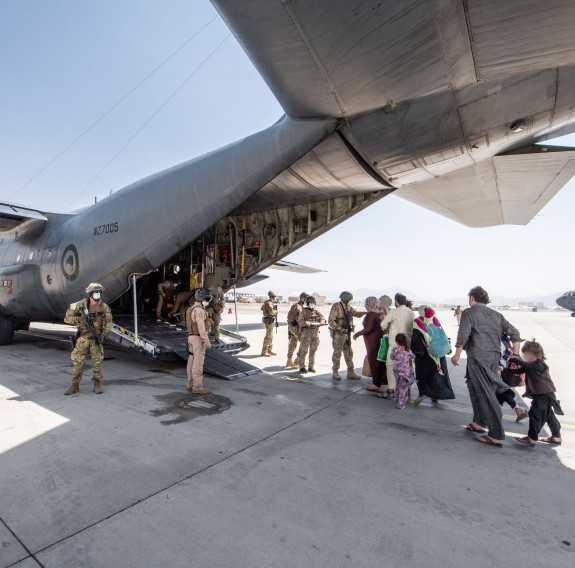
Intelligence Operators deploy on a variety of overseas exercises and missions.
Qualifications:
A minimum of 10 credits each in English and Maths at NCEA Level 2. Having higher qualifications, some tertiary education, computer experience or an ability with languages will make you a more competitive applicant.
Additional Information:
100% visual colour perception required. You must be able to obtain and keep a high level national security clearance.
This page was last reviewed onĀ 10 May 2010 and is current.